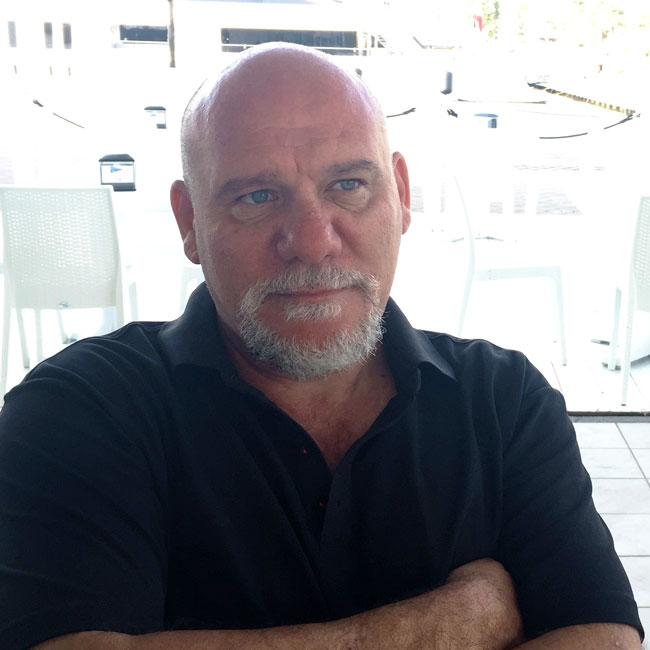
Pietro Formis, born in 1978.
DAN member since 2008.
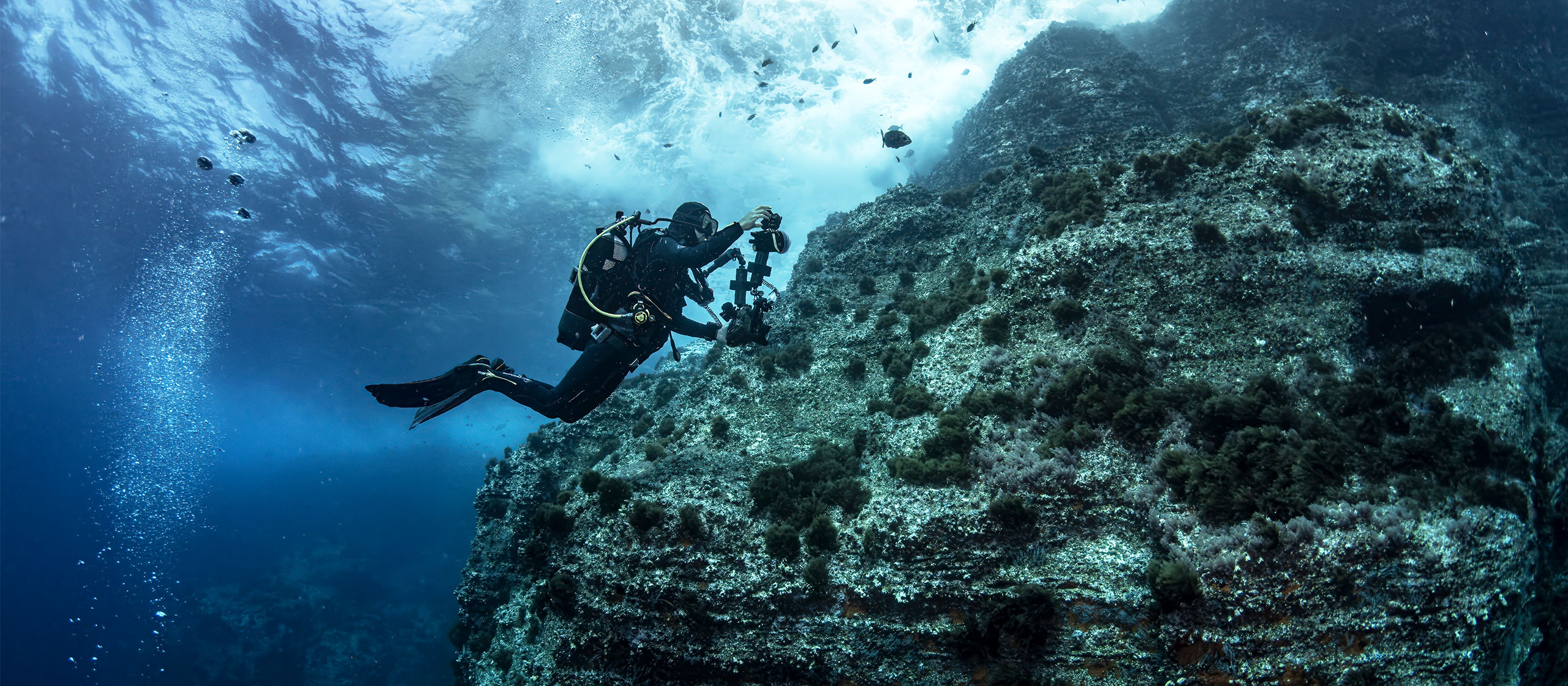
Pietro Formis wants to make us dream, to take us into the Wonderland that is the underwater world. And he succeeds, having published in Oceanographic Magazine, Scuba Diver Australasia, EZDive, Unterwasser, Naturphoto, Ocean Geographic, SUB, La Rivista della Natura, and others.
Pietro earned his scuba certification at the age of 29—“a bit late,” he says, because he had always been diving, just without tanks. Straight after completing his Open Water course, he became a DAN member and soon fell in love with underwater photography. In only a few years, he climbed the ranks of competition, eventually winning Underwater Photographer of the Year with a book, Aqua, co-authored with Emilio Mancuso. He also was a finalist in the world’s most prestigious wildlife photography competition, the Wildlife Photographer of the Year, run by the Natural History Museum in London.
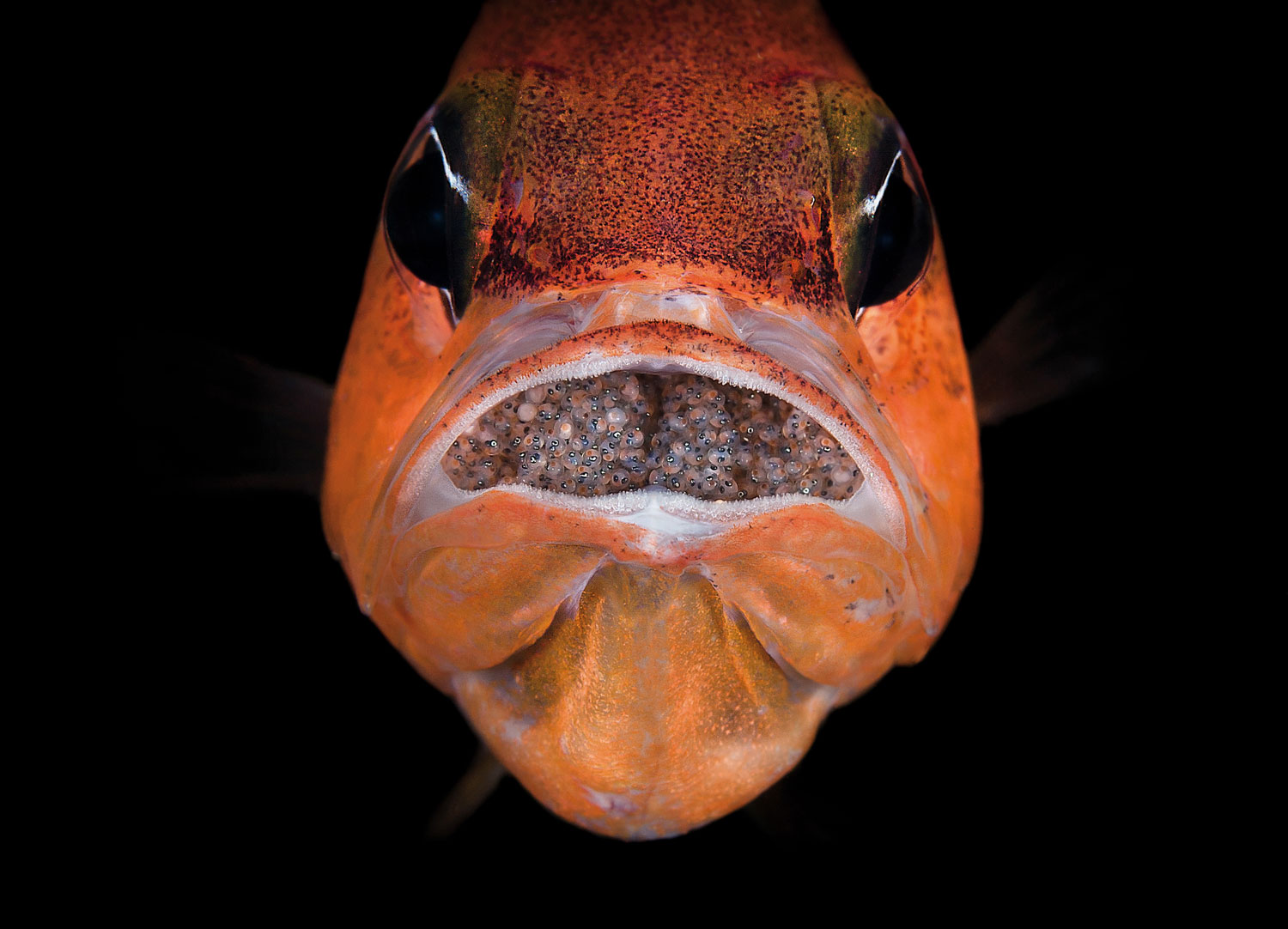
Pietro’s strengths are a remarkable artistic sensitivity, methodical study of the marine environment, and the ability to dream—and realise those dreams—with a rare personal approach:
“I run for competitions and festivals not just for recognition or media exposure, but to explore trends, discover new ideas, and meet genuinely interesting people.”
Pietro began diving as a child, freediving near his home town of Levanto, Liguria (IT).
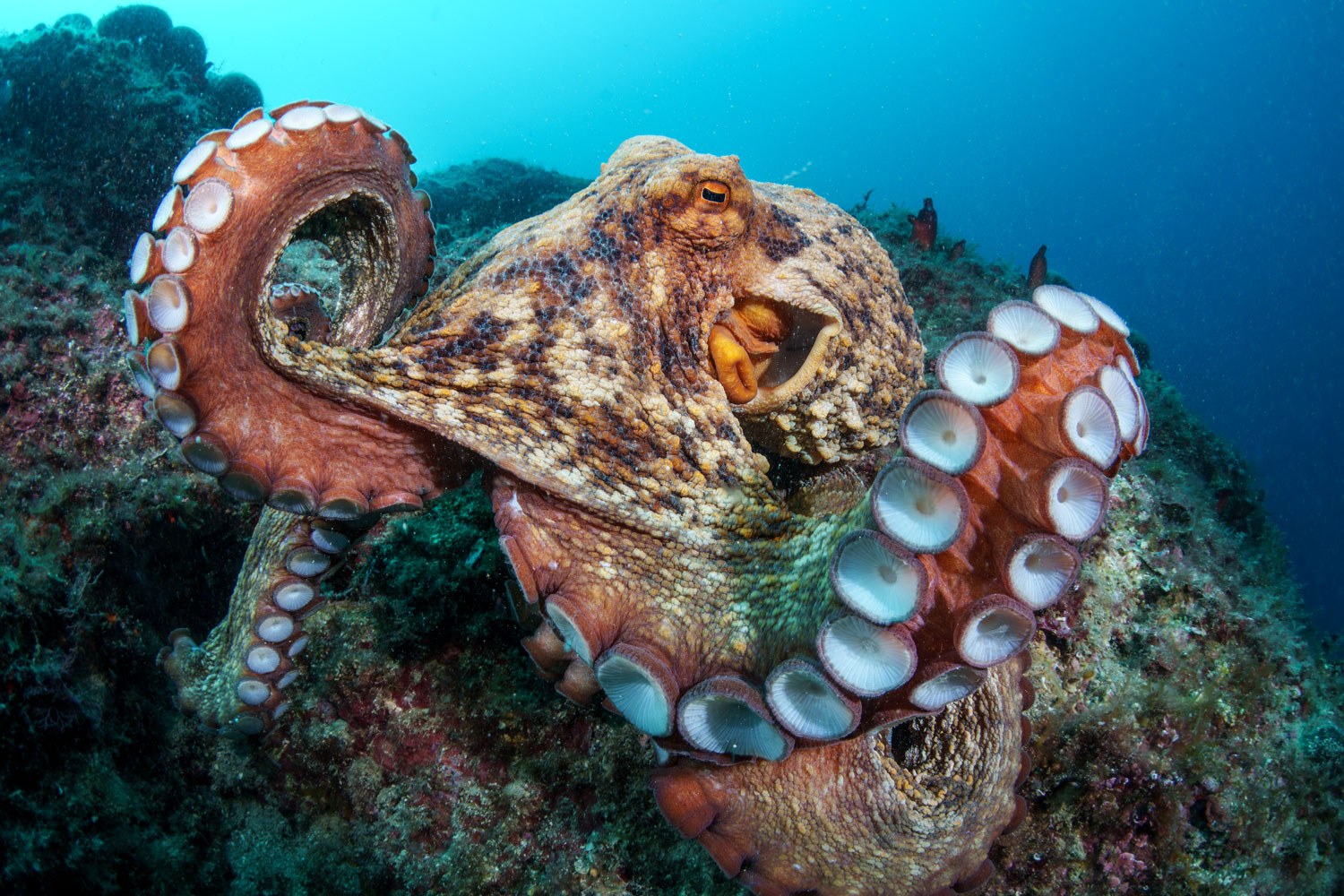
“What was I after? Octopuses—poor creatures! Nowadays I can’t eat them any longer, but back then I was an octopus hunter. A bad one, fortunately; I’d rarely manage to catch them.”
Then comes scuba diving.
“My father enrolled in a scuba course, and I decided to join. That’s how I became a diver. I joined DAN immediately afterwards. It was clear to me from the very start that safety always comes first. I began travelling the world, became a divemaster, and taught photography courses. Carrying DAN insurance is as essential to my work as carrying a camera.”
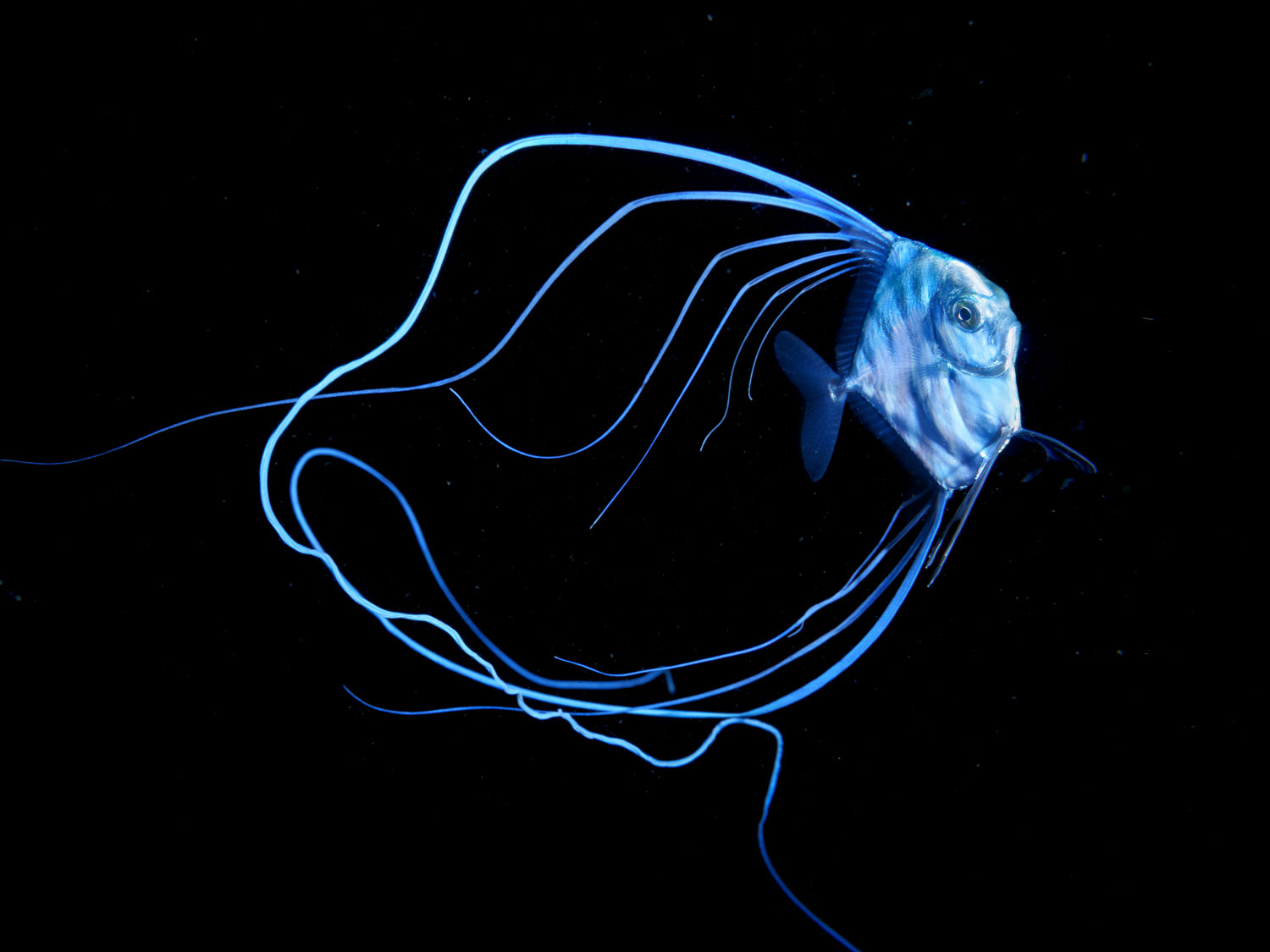
Pietro’s career takes off. His pictures are getting published in leading dive magazines. As a finalist in the Wildlife Photographer of the Year awards, he even receives an invitation to a gala dinner beneath the famous whale skeleton at the Natural History Museum in London.
“An unforgettable emotion—the atmosphere, the people present, at the most prestigious wildlife photography award in the world. Another contest I’m very fond of is the GDT – European Wildlife Photographer of the Year in Germany. They choose images featuring innovative vision and artistic or unusual photography techniques.”
“Avanti tutta!”
Pietro teams up with Emilio Mancuso, an underwater photographer, marine biologist and science communicator, to produce the award-winning book Aqua.
“We met because of our shared passion and teamed up to offer combined biology and photography courses. I persuaded him to write for my first book. Mancuso is an excellent photographer, but above all an extraordinary communicator. We complement each other, and the ideas we developed together became more than the sum of our contributions.
We travelled together, joined clean-ups, removed ghost nets, restored seagrass habitats. Our latest project is a documentary called Marine Animal Forest. It focuses on the importance of these habitats, which are not well known but essential for life on Earth. Emilio has a motto that has become our mantra: Avanti Tutta (‘Full steam ahead’). A wonderful synergy has developed, and we won’t stop.”
The impact of photographers
In Thailand, beginners have been banned from bringing cameras on dives. What is the impact of photographers on marine life?
“Photographers or not, we can’t pretend to have no impact. Some studies show that using a site for beginner training causes the worst damage. I think we should stay away from sensitive habitats until we’ve got our buoyancy and behaviour under control. In Italy, diving is somewhat declining, but in Asia it’s different: The number of divers is growing, and sites are overcrowded with inexperienced divers distracted by their cameras.”
What can experienced photographers do to minimise their impact?
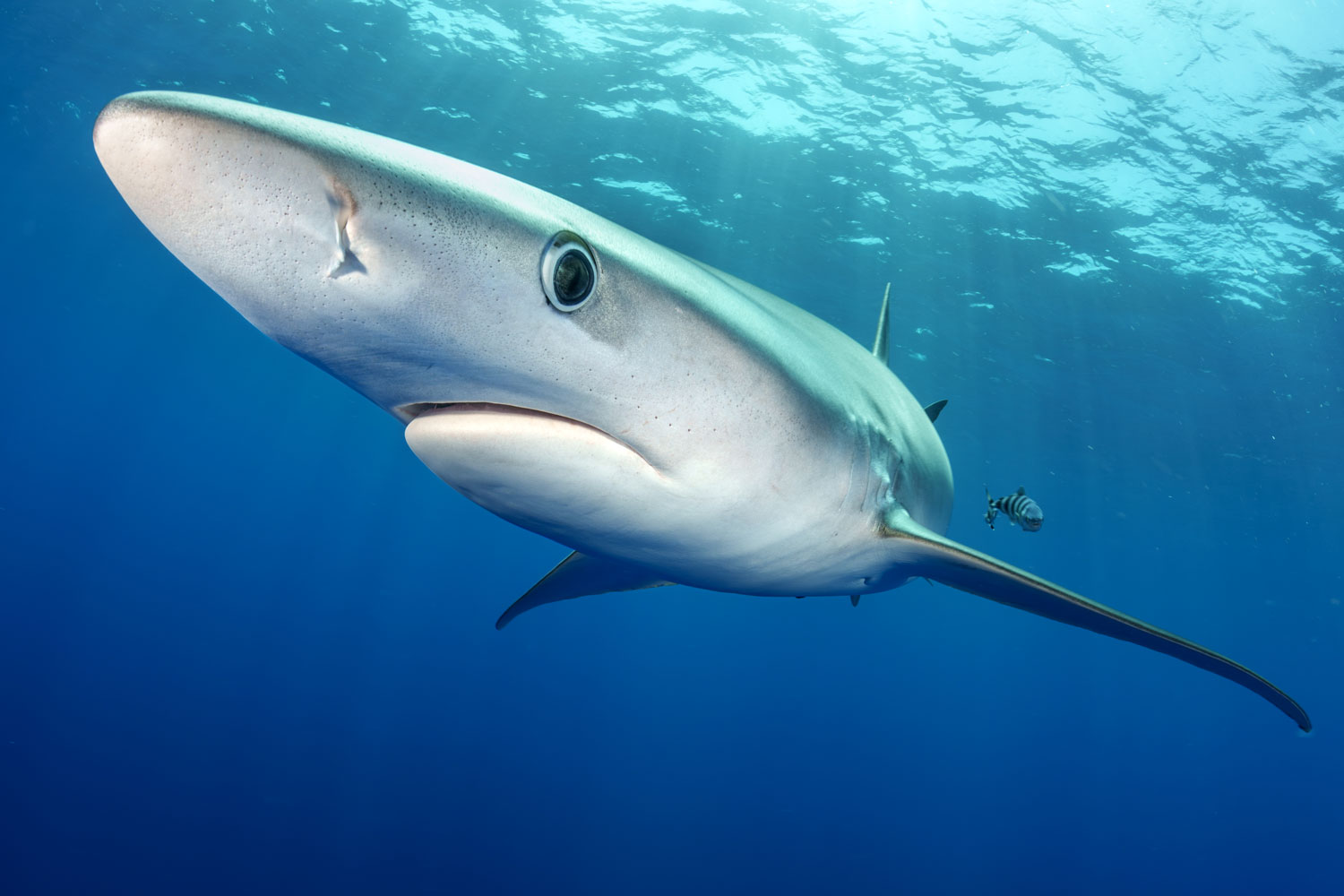
“Follow the rules and scientific guidelines in protected areas, and learn about each species. Take video lights and strobes, for example: Thresher sharks spend most of their time in deeper waters and are very sensitive to bright lights. Blue sharks on the other hand hang out in the shallows, where there is a lot of sunlight. They don’t appear to be bothered by strobes and video lights at all—if anything, blue sharks are curious.”
Safety
“Do you dive alone?” is a tricky question for any underwater photographer:
“I’m very lucky to share this passion with my wife Ilaria, who is an excellent photographer. We dive together. Diving with another photographer is not the same as diving with a regular buddy—you’re focused on the camera and can’t spend that much attention. I sometimes dive alone if I need to, but usually there are people around, like researchers or dive operators.”
Storytelling for conservation
Pietro’s photographs seek to tell stories.
“With passing time, I find the work of scientific communication more and more important. I try to combine aesthetics with documentation. The idea is to create images you can hang on a wall for decoration, but that also tell a story.
For example, I’ve been diving in the Po delta where the clam and mussel farming has been severed by the blue crab population explosion. The blue crab is an alien species that is threatening the balance of the whole Mediterranean Sea and I’ve documented this catastrophe across the northern Adriatic. I visited collection centres in search of more in-depth.information. Many people, and media pundits remark that the blue crab is an edible species. Public awareness that blue crab might be a problem isn’t very developed – we can just catch and eat them!
But an ecosystem made up only of clams and crabs is not healthy. Poor biodiversity is like an open wound—it has no defences. The solution is to restore natural balance, and several projects are pushing in that direction.
In the Adriatic, I also work with a seahorse recovery station operated by the Experimental Centre for Habitat Protection (CESTHA) in Ravenna. CESTHA has an agreement with local fishermen, who sometimes find seahorses in their nets as bycatch. The fishermen take the seahorses to the recovery station, where they get tagged with a UV-visible elastomer before being released. If a seahorse is captured again, this provides information on the species’ movements and population density to researchers.”
Pietro has more to say on seahorses and the growth of diving, this time in Asia.
“In some Hong Kong pharmacies, you still find paracetamol and dried seahorse on the same shelf. But things are changing, and there is a shift in the perception of the marine environment. Scuba diving and scuba magazines are doing a good job of raising awareness. Both the seahorse and the blue crab stories were recently published in Chinese magazines. The publishers are delighted to promote conservation messages to their audience.”
On mass communication and social media, Pietro shares the views of many, including Umberto Eco: everyone talks about everything, without knowing what they’re talking about.
But Pietro adds an unexpected point of view:
“Everything is treated superficially, but under certain conditions something new always surfaces: look at the science communicators on social media… in an ocean of superficiality, some are earning real credibility. Something similar happened in music. Out of the flattening, energetic bands emerge and change everything.”
How important is music to Pietro?
“I used to play in a band as a guitarist. My favourite guitars? Fender Stratocaster and Gibson SG. Then I sold the SG. I kept the Stratocaster.”
Let’s talk about fear underwater…
“Being aware means having at least a little fear, especially in situations you’ve never experienced before. I always feel like a beginner because every situation is different. The only time I was genuinely scared wasn’t for myself—it was when I lost my buddy, who had stayed in front of a nudibranch for an hour! Besides that, I’ve always felt calm. I’m not the kind of diver who seeks challenges.”
Final questions
Is there a type of diving or environment you would consider a favorite?
“I like all diving, but night diving is special. You see things you don’t see during the day, like John Dory fish approaching your lights. I like swimming between rocks with a torch. Shadows shift, the scenery changes, especially among coral pinnacles in the Red Sea. You can observe creatures feeding.”
You organise trips and teach photography classes. Is there any advice you would give a beginner photographer?
“Yes: Get your buoyancy sorted out first. And don’t change your camera equipment too often.”
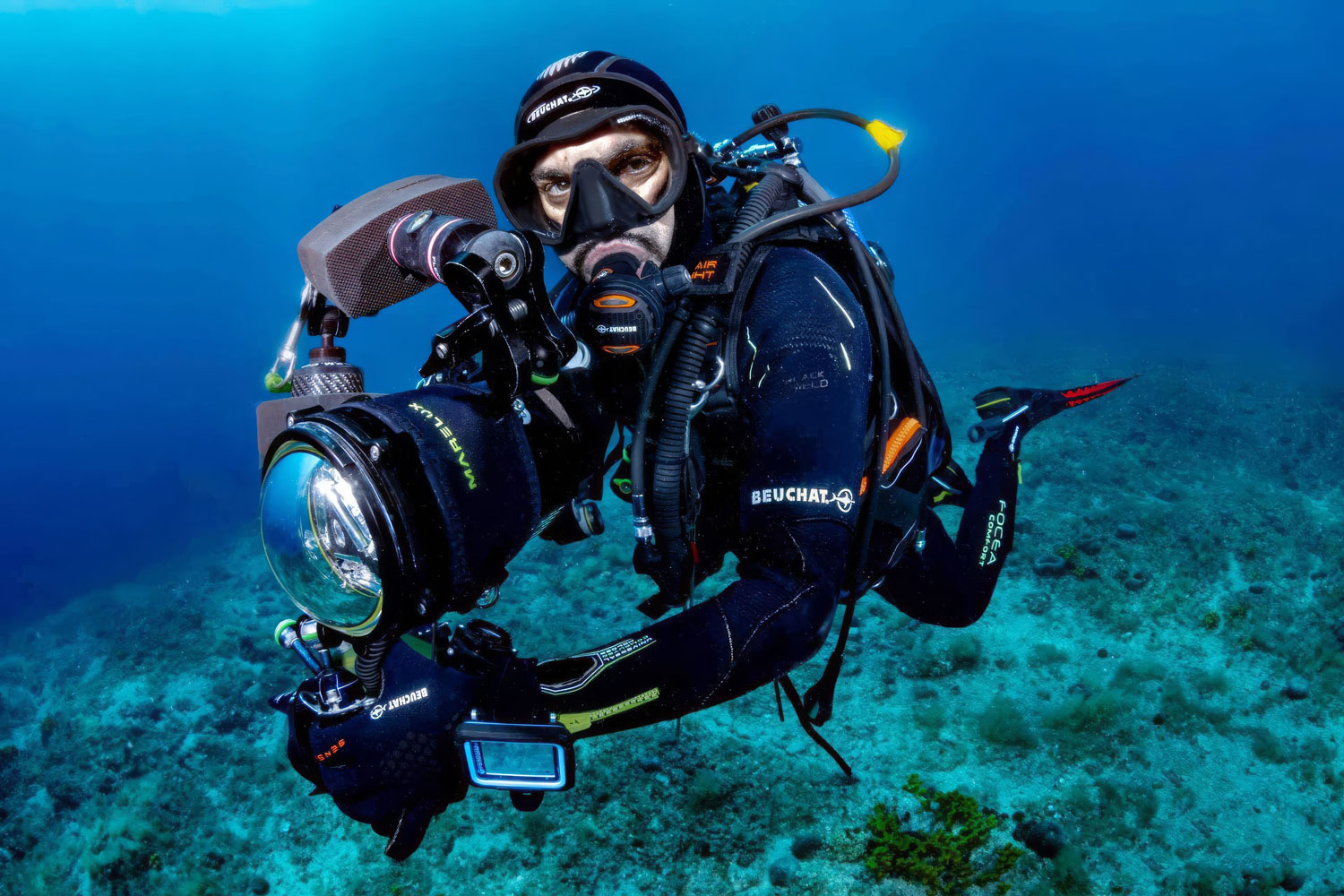
Pietro Formis is a Beuchat and Marelux Ambassador, collaborates with Sony Italy for events related to underwater photography, and is a creative partner of EIZO, a world leader in professional photography monitors. Above all, he has been a DAN member since his very first dives.
Website: www.pietroformis.com

 BLOG
BLOG